- Wonder at the grand colonial buildings of New Delhi.
- Visit the British Residency at Lucknow, which withstood two sieges during the ‘Indian Mutiny’.
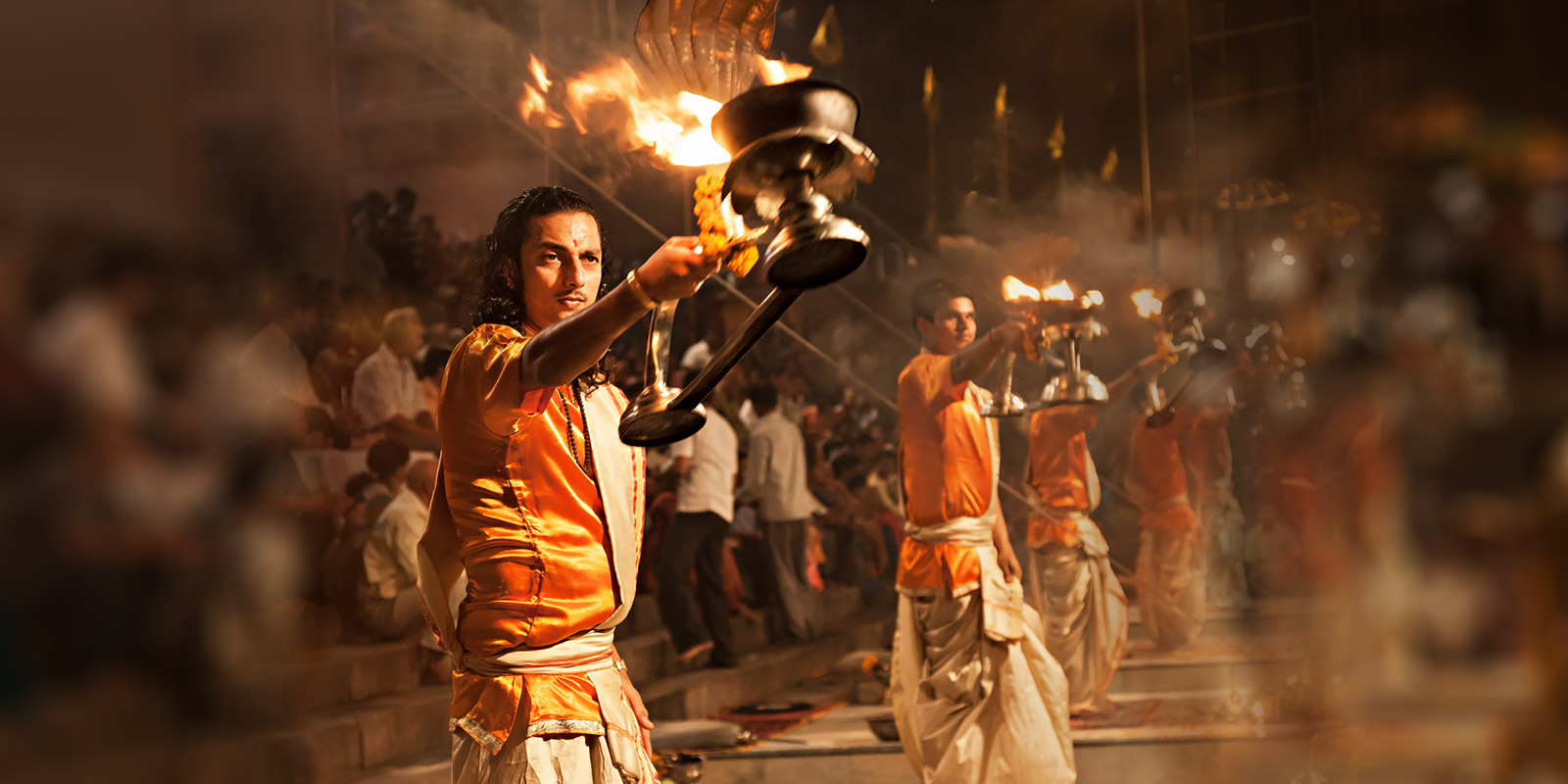
- Discover Varanasi, see the famous Aarti ceremony and enjoy a boat ride on the Ganges.
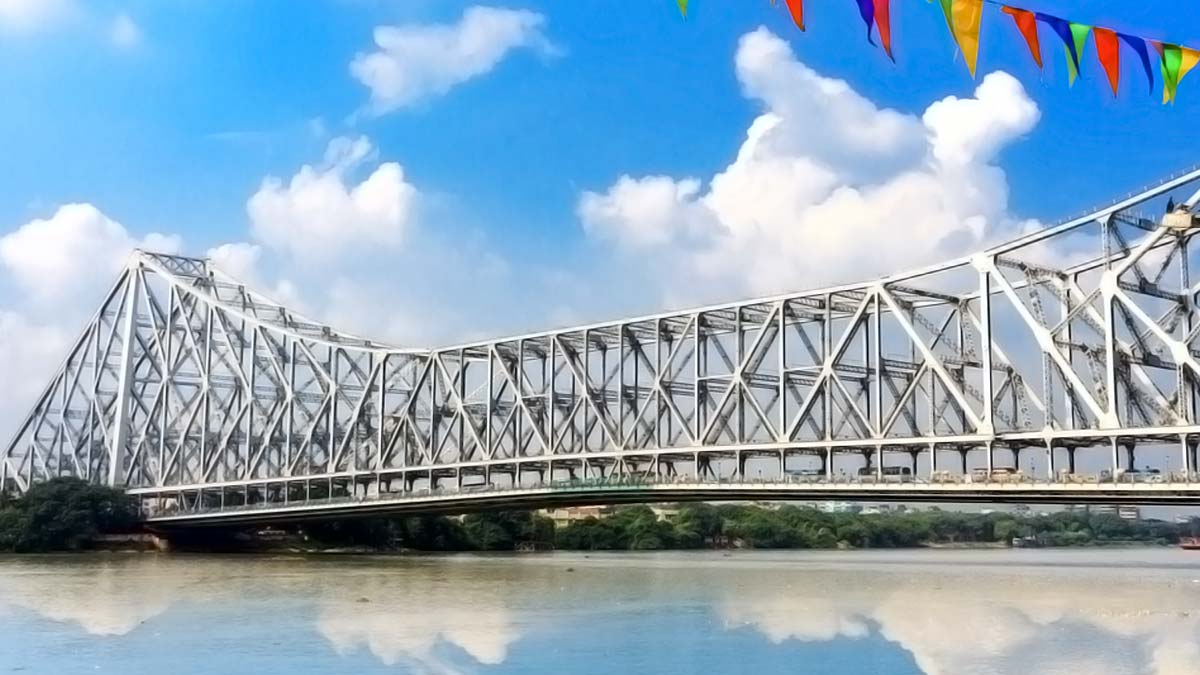
- Explore all the major colonial sights of Calcutta, the old capital of India.
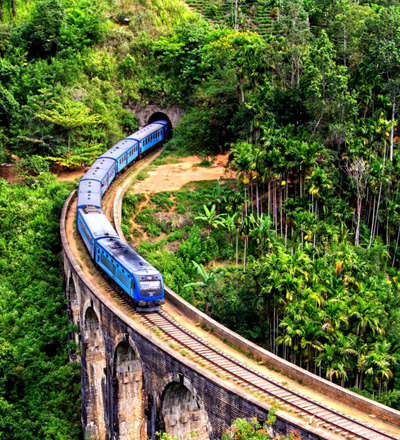
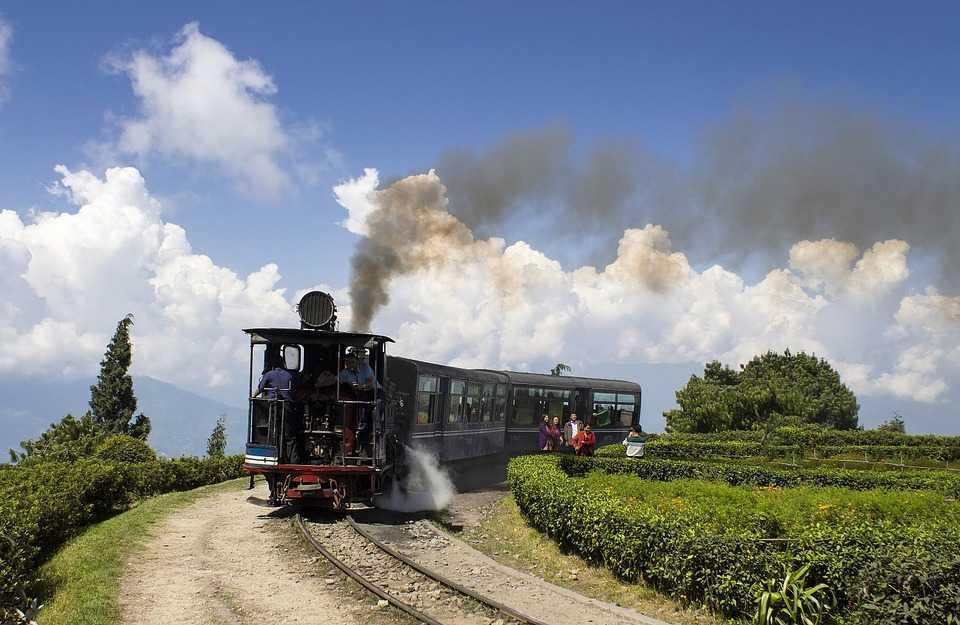
- Travel on the Darjeeling steam-driven ‘Toy Train’.
Day 1 Arrive Delhi
- India’s largest city, Delhi, has been one of the country’s commercial and economic hubs for centuries and, as a result, is incredibly rich in culture and history. Made up of the ancient walled city of Old Delhi and the more modern sector, New Delhi, the city encompasses a staggering array of beautiful architecture, notable monuments and age-old temples, including three UNESCO World Heritage Sites – the Red Fort, Qutab Minar and Humayun’s Tomb. Other key attractions include the 17th century Chandni Chowk marketplace – still one of the city’s most popular retail centres today, particularly for jewellery and traditional Indian saris; the iconic Bahà’i Lotus Temple – an award-winning architectural gem; and the Jama Masjid, India’s largest mosque.
On arrival in Delhi: Having cleared immigration, collected your luggage and passed through customs, please make your way towards the exit of the terminal building where you will see a bank of people waiting for you. Amongst them will be Representative who will be waiting to greet you with a paging board with your name on.
You will be transferred to your hotel and assisted with check in. (Standard check in time at hotel is 1400 hrs).
Day 2 Delhi – Lucknow
- Known as the Constantinople of the east, Lucknow was a hub of Nawabi art, music, dance and architecture. Now the busy capital city of Uttar Pradesh, Lucknow sits in the centre of the state on the north-western shore of the Gomti River. A major centre of the Indian rebellion of 1857, Lucknow’s population participated actively in India’s independence movement, cementing its role as a major city in north India. Dining out in Lucknow is highly recommended, and a local delicacy is the traditional North Indian kebab is king, with many variations to feast on. Spend your days here admiring British era buildings, mausoleums, and the bazaars of the bustling old town.
After breakfast, check-out from the hotel and transfer to Delhi airport to board your flight to Lucknow.
Arrive Lucknow. Upon arrival, you will be received at the airport and will be assisted for your transfer to the hotel. Check-in at hotel. Hotel’s check-in time is 1400 hrs.
Later visit the British Residency and Museum. The Residency Lucknow is a complex of historical buildings located in the heart of Lucknow in India. The complex was the seat of power and the official residence of British diplomats and officers who represented the court of Nawab. The ruins still bear the marks of bullet holes as well as tombs of those who lost their lives during the siege of 1857. There is an on-site museum featuring collections of portraits, models and a short video that provides some insight into the history of the residence. The well-maintained lawns offer a good spot for relaxing.
Day 3 In Lucknow
- After breakfast visit, La Martiniere College. Established in 1845, by the will of Major General Claude Martin, over the span of one and a half centuries, the college has produced soldiers, sailors, and airmen who have done the school and their country proud in the two world wars and the wars of Independent India.
It has also produced engineers, doctors, educationists, administrators and outstanding athletes – now scattered over the globe. At the 150th anniversary of the opening of the college, the president of India acknowledged the contribution of the college by releasing a postage stamp of the denomination of Rs 2.00, as a mark of honour – also a mark of distinction that only a few other institutions in India enjoy.Later visit the Nawab and Muzafar Ali’s home (Kotwara Palace) with a curator and ends with Tea Session. Kotwara Initiatives, under the House of Kotwara, offers many unique experiences to travellers across Delhi, Lucknow and Kotwara, with a focus on showcasing and promoting the culture, crafts and cuisine of Awadh. Muzaffar Ali, who is from the royal family of Kotwara, is a poet, filmmaker and also the head of Rumi Foundation, while his wife Meera Ali is an architect and designer. The House of Kotwara has a large number of interests, The five C’s of House of Kotwara are culture (of Lucknow), crafts (working among villagers promoting their crafts), couture line, cinema, and cuisine.
Day 4 Lucknow – Varanasi
- An ancient and deeply sacred city, Varanasi rests along the banks of the holy River Ganges and encompasses a wealth of beautiful riverside temples, stately old forts and vibrant markets. It’s considered the spiritual capital of Hinduism, and it’s widely believed that dying here will bring salvation. As a result, the city is home to a multitude of ghats – stone steps leading to the river –some of which are used for bathing rituals and others as cremation sites. An early morning boat ride along the Ganges offers an excellent way to take in the ghats and the bustling activity centred on them.
After breakfast, check-out from the hotel and transfer to Kanpur railway station (90 Kms / 2½ hrs) to board your train to Varanasi. (train journey around 3 hours & 50 minutes)
Arrive Varanasi. Upon arrival, you will be received at the railway station and will be assisted for your transfer to the hotel. Check-in at hotel.
Evening enjoy the sunset boat cruise at River Ganges and witness Ganga Aarti ceremony
Varanasi is a sacred and oldest city located at the banks of the holy River Ganga. Where, Ganges Aarti is performed daily in the evening by a group of priests at the Dashashwamedh Ghat near famous Kashi Vishwanath Temple as a dedication to Shiva, Gange, Surya (Sun), Agni (Fire), and the entire universe.
The whole ritual of the Ganges Aarti is performed by the seven students of the Vedas and Upanishads lead by the head priest of the Gangotri Seva Samiti in a well choreographed manner with a great synchronization. The whole event takes around 45 minutes. An announcement at 7.00 pm indicates the beginning of the Aarti.
Day 5 In Varanasi
- Early morning boat ride on river Ganges followed by a walk through the Ghats and temples. Afternoon visit Sarnath.
The Morning Boat Ride & Temples activity lasts around 3.5 hours and starts at the Kashi Café, Assi Ghat, with scheduled stops planned throughout the city.
Visitors will experience the local people offering prayers to their deities, making a visit to popular temples and shrines, experiencing Sunrise over river Ganges, indulging into Subah-e-Banaras activity and seeing places of history and interest.
Sarnath
Sarnath is one of the most important Buddhist pilgrimage centres in India. It is here that Buddha came after reaching enlightenment at Bodh Gaya (present-day Bihar), and where he first began his teachings of Dharma and the four noble truths to his five disciples. It is also an important place for the followers of Jainism. While many of the ancient buildings and structures at Sarnath were damaged or destroyed by the Turks, relics remain in the form of ruins that can be visited, or artefacts held in the Sarnath Archaeological Museum, which also houses some of the greatest treasures of Indian Buddhist art, including almost 300 images. The Deer Park, which is the site of Buddha’s first teachings, is maintained as an animal park and still home to resident deer.
Day 6 Varanasi – Kolkata
- Located along the eastern bank of the Hooghly River in the lower Ganges Delta, Kolkata is the capital of the Indian state of West Bengal. This 350-year-old metropolis is the heart and soul of eastern India with its crumbling colonial architecture, elegant gardens, countless temples and bustling bazaars. Celebrated as the birthplace of the early 20th-century Bengal Renaissance, Kolkata is a major centre for drama, art, film, theatre, literature, spirituality and music.
Visitors can roam the streets and soak up the atmosphere of faded grandeur, or take a ride in a rickshaw to one of the many Indian restaurants serving mouth-watering Bengali cuisine. Must-see highlights include: the Victoria Memorial, with its east-meets-west architecture; the Indian Museum, with its range of rare artefacts; and the Kali Temple, an important pilgrimage centre for Hindus.
After breakfast, check-out from the hotel and transfer to Varanasi airport to board your flight to Kolkata.
Arrive Kolkata. Upon arrival, you will be received at the airport and will be assisted for your transfer to the hotel.
- Check-in at hotel. Hotel’s check-in time is 1400 hrs.
Rest of the day is at leisure.
Day 7 In Kolkata
- After breakfast, proceed for a Colonial walk. Embark upon a historical journey through the streets, markets and heritage buildings from Armenian and Portuguese churches, Jewish synagogues, to the Dalhousie Square, the Writers’ Building, the Governor’s House and the almost forgotten Charnock Mausoleum with tales of Calcutta’s Black Hole till it morphed into the City of Palaces.
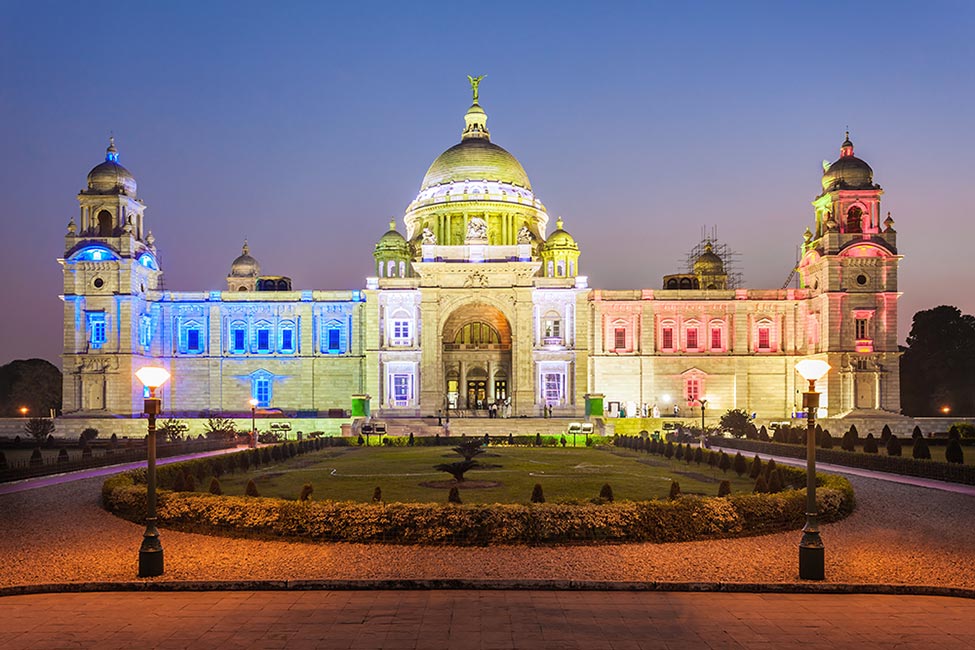
One of the renowned monuments in Kolkata, Victoria Memorial was built in the loving memory of Queen Victoria in 1921. Built and designed by Sir William Emerson, the Victoria Memorial Hall is an impressive edifice, which is made in white marble and is a perfect blend of Mughal and European architectural styles.
The Victoria Memorial is also a museum that houses some rare pictures, and statues of men and women who played a prominent part in the history of India and develop a pride in their past especially in relation to the history of Calcutta. In addition the museum also houses dresses, along with several artillery weapons from the Battle of Plassey, the Whispering Gallery in the dome and the famed Rosewood piano.
Built on a land of 64 acres with the building covering 338 ft by 228ft, Victoria Memorial is an architectural splendor that boasts of a scenic landscaped garden, which adds to the beauty of this royal grandeur. There are some remarkable figures sculpted above the north porch, which symbolize prudence, learning and motherhood.
St. Paul’s Church
As the European community of Kolkata kept growing, by 1810, the St. John’s Church that was meant for offering prayers appeared too small to accommodate all visitors at one go. The need for a bigger cathedral was then proposed by the then Governor-General of Bengal, Marquess of Hastings. He advised William Nairn Forbes to submit the design of a new cathedral.
The location of the land for a new cathedral was proposed by Bishop Middleton. Due to the delays in getting permits, the process continuously kept getting pushed for later dates. Bishop Middleton passed away long before the project of the cathedral building had started. It was only during 1832, under Bishop Daniel Wilson that the building of the cathedral had started.
Day 8 Kolkata – Bagdogra – Darjeeling
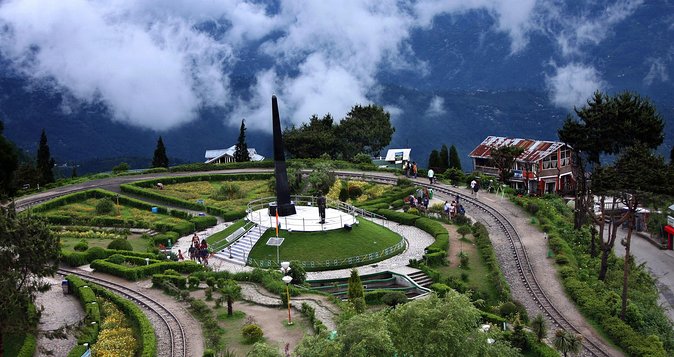
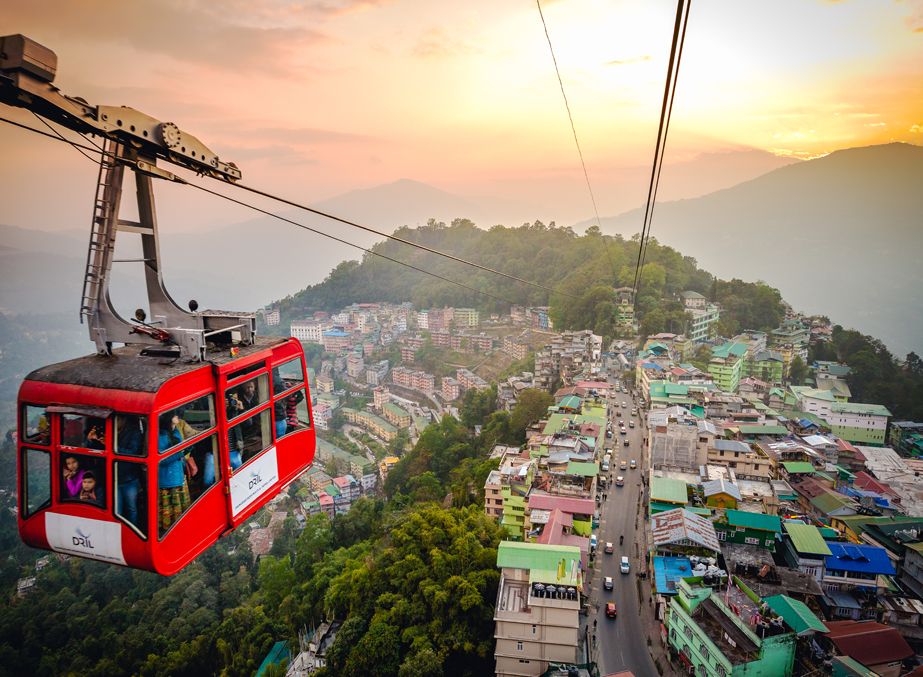
Tucked away in the north-eastern corner of India, Darjeeling is best known for its rolling tea plantations and ‘Toy Train’ which meanders along the precipitous mountain routes of the Darjeeling Himalayan Railway. A picturesque hill station, Darjeeling offers access to a number of Buddhist monasteries, tea estates, railway journeys and is a great base for trekking in the Himalayas. Impressive jagged peaks of the snow-capped Himalayas can be seen from town with Tiger Hill offering astounding views at first light.
After breakfast, check-out from the hotel and transfer to Kolkata airport to board your flight to Bagdogra and then drive to Darjeeling (70 Kms / 03 Hrs).
Arrive Bagdogra. Upon arrival, you will be received at the airport and will be assisted for your transfer to the hotel in Darjeeling. Check-in at hotel. Hotel’s check-in time is 1400 hrs.
Rest of the day is at leisure.
Day 9 In Darjeeling
After breakfast, walk to Darjeeling railway station to board your Joy Ride train to Ghoom & vice versa. Riding the Toy Train of Darjeeling Himalayan Railways (DHR) has always remained a coveted experience to the tourists. Only few would let go such an opportunity. And there is a clear reason why so. After all this Toy Train has been accorded the UNESCO World Heritage status, and that’s for a special reason.
Operating on narrow gauge tracks since 1880s and providing an important transport link to various parts of Darjeeling hills and lower plains, the toy train is an icon of our heritage since the colonial days and an engineering marvel that was achieved in that era. It also offers a wonderful way of absorbing the Himalayan beauty as you traverse along the slopes of the hills.
Visit Ghoom Monastery. Yiga Choeling Monastery of Ghoom is one of the oldest Tibetan Buddhist monasteries in Darjeeling area built in the year 1850. This is the original or the old Ghoom Monastery. The Monastery belongs to the Yellow Hat sect also known as the Gelupka. One of the key attractions inside the monastery is the 15-foot model of the Lord Buddha which is known as The Maitreya Buddha or the Gyalwa Shampa which means the Buddha of the future or the Coming Buddha. This is one of the biggest and oldest statues of Buddha in Darjeeling area. This statue was created with clay that was all brought from Tibet. In front of the Buddha’s statue there are two huge oil lamps that keep burning all the time and all through the year.
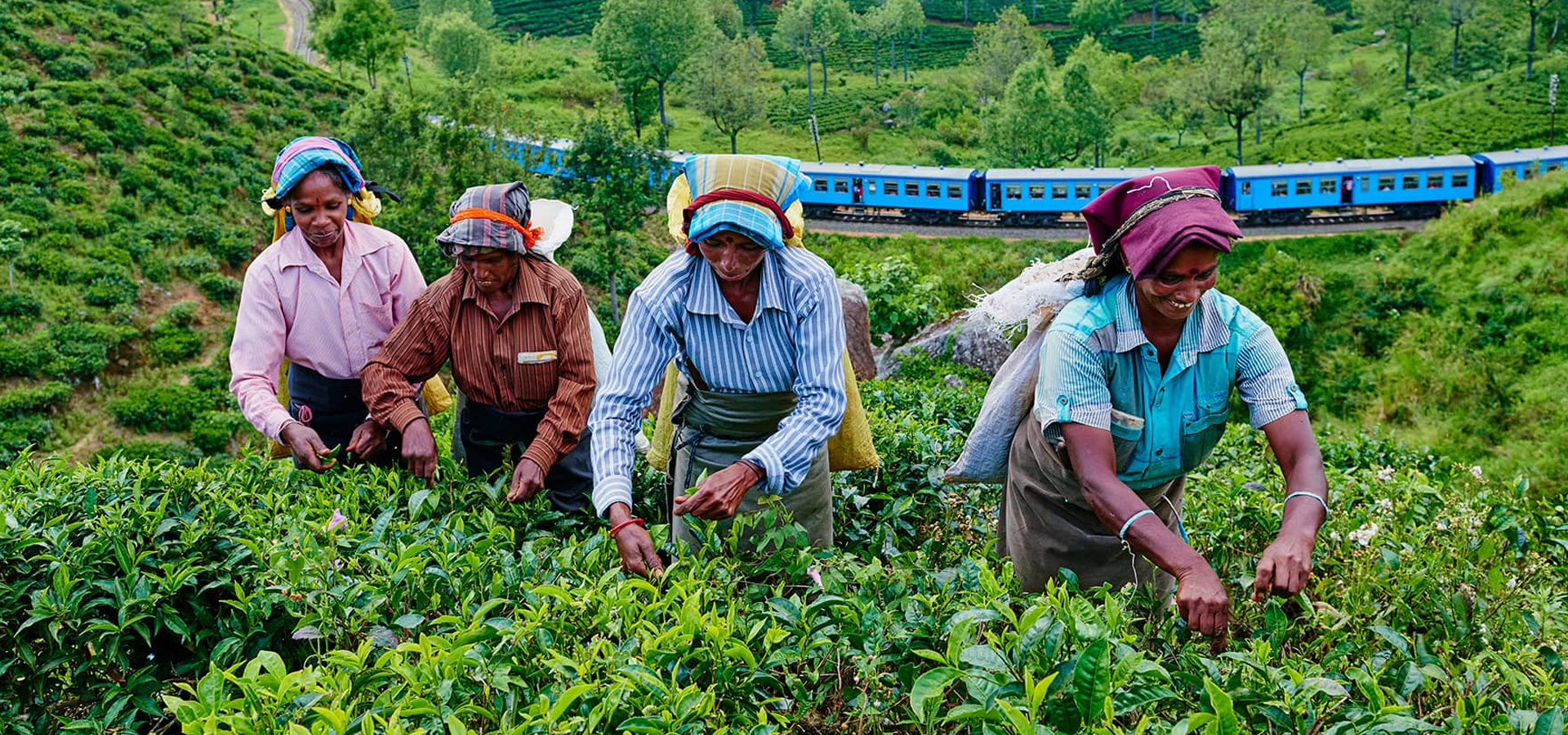
Later visit the Tea Garden. This is a relatively new concept in the world and there are 80 odd operational tea gardens in Darjeeling that span across thousands of acres of land area on open hill slopes. High on the hills with cool breeze and misty weather, planters and workers come together to form a wonderland where tea grows in the finest form like no-where else in the world. Vehicle will take you to the nearby attractions and places of interest for you to soak in the nature. Later you take a walk through the villages and nature trails, and get deeper insight into the lives of the people living in the mountains.
Day 10 In Darjeeling
Early morning, proceed for Sunrise view from Tiger Hill and Train museum visit. The sweeping views of sunrise from Tiger Hill and the view of the colossal Kanchenjunga with many other snow clad eastern Himalayan peaks from here, but we hardly talk about the summit of Tiger Hill itself. True that the blaze of rapidly changing colors of the snow peaks as the sun strikes is an awesome view, but Tiger Hill is great even otherwise. It’s a destination by itself offering not just great views during sunrise, it’s a place where you can soak yourself with Himalayan beauty anytime during the day.
Continue visit to Ghoom Museum, which is country’s highest rail station at an altitude of 7,400ft. In 1999, the famous narrow gauge Toy Train of the Darjeeling Himalayan Railway was accorded the UNESCO World Heritage status. And in the year 2000, the Ghum Museum was established and opened to the visitors to showcase its heritage.
Later visit Himalayan Mountaineering Institute. The Institute trains young men not only to climb Himalayan peaks, but also create in them an urge to climb peaks of human endeavor. The Himalayas from time immemorial had attracted people and inspired them to discover nature’s bountiful gifts found there and influenced Indian minds as evident from old scriptures, books and epics of the mythology of India’
Day 11 Bagdogra – Darjeeling – Delhi
After breakfast, check-out from the hotel and transfer to Bagdogra airport (70 Kms / 03 Hrs) to board your flight to Delhi.
Arrive Delhi. Upon arrival, you will be received at the airport and will be assisted for your transfer to the hotel in Darjeeling. Check-in at hotel.
Day 12 Depart Delhi
In time transfer Delhi International airport to board your fight for onward destination.
Best of Bhutan
Best of Nepal and Bhutan Tour
Hidden Gems of Sri Lanka
The Highlights of Lanka
The Best of Lanka